A concrete driveway is a significant investment that adds value and curb appeal to your home. However, even the most expertly installed surfaces can develop cracks over time due to the extreme freeze-thaw cycles common in Indiana and the Greater Midwest. Ignoring these small fissures can lead to major structural issues, as water infiltrates the base and expands, turning a minor cosmetic concern into a costly remove and replace project.
At Mattingly Concrete, we believe in Building Beautiful and Lasting Concrete Solutions. While we specialize in professional Residential driveways and new construction, we also want to empower homeowners with the knowledge to maintain their surfaces. This guide will walk you through the essential steps to repair cracks and extend the life of your driveway.
Understanding Why Concrete Cracks
Before you reach for the filler, it’s important to understand the “why” behind the damage. As we discussed in our recent post on Concrete Cracks: Understanding Causes and Solutions, cracks can result from soil settlement, heavy loads, or thermal expansion.
In the Midwest, the primary culprit is often the winter weather. If you’ve recently performed a winter damage inspection, you likely noticed that small cracks have widened. Addressing these now is critical before the next cycle of rain and ice begins.
Step-by-Step Driveway Crack Repair
1. Clean the Crack Thoroughly
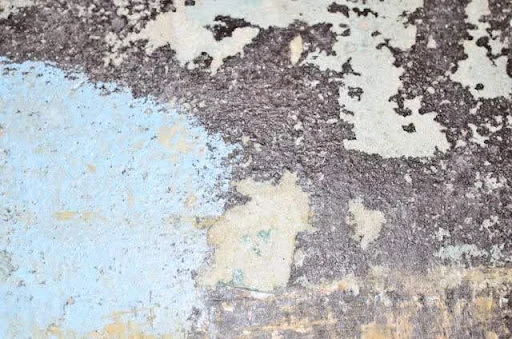
The most common reason for repair failure is poor adhesion. Use a wire brush or a screwdriver to scrape out loose debris, dirt, and vegetation from the crack. For a professional-grade clean, use a leaf blower or a shop vac to ensure no dust remains. If the crack is oily, use a degreaser to ensure the filler can bond to the concrete.
2. Choose the Right Filler
Not all fillers are created equal. For thin, hairline cracks, a liquid concrete crack filler is usually sufficient. For wider cracks (over 1/4 inch), you may need a sand-based filler or a specialized polyurethane sealant that remains flexible. Flexibility is key; as we noted in our guide on the best concrete coating for patio surfaces, rigid materials often fail when the ground moves.
3. Apply the Filler
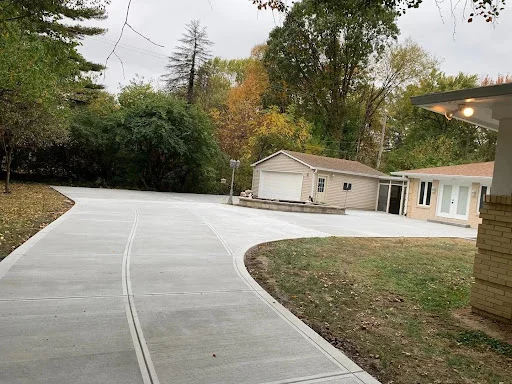
Carefully pour or caulk the filler into the crack. For deeper cracks, you might need to use a “backer rod,” a foam rope that fills the bottom of the gap, so you don’t waste expensive sealant. Smooth the surface with a trowel or a putty knife so it sits flush with the rest of the driveway.
4. Allow for Proper Curing
Patience is a virtue in concrete work. Most fillers require at least 24 hours to dry before they can be walked on, and several days before they can withstand the weight of a vehicle. For more information on timing, check out our DIY guide on how to pour concrete driveway surfaces, which covers curing in detail.
5. Post-Repair Maintenance
Once the repair is cured, your work isn’t quite done. To ensure the patch lasts as long as the surrounding concrete, consider applying a high-quality sealer over the entire driveway. This creates a unified barrier against moisture and chemicals. As we highlighted in our post on Concrete vs. Asphalt, regular sealing is the single most effective way to prevent new cracks from forming and to keep your existing repairs intact.
Why Professional Sealing Matters
While repairing cracks is a necessary reactive measure, the most successful homeowners focus on prevention. Professional-grade sealers penetrate deep into the concrete’s pores, creating a hydrophobic barrier that repels water, oils, and de-icing salts. This is especially important for Residential Concrete patios and Residential driveways that are exposed to the full force of the Midwest winter.
At Mattingly Concrete, we often recommend a polyaspartic or high-solids silane-siloxane sealer. These aren’t the standard products you find at a big-box store; they are engineered for maximum durability. If you’re interested in the science behind these protective layers, our guide on the best concrete coating for patio surfaces explains how these advanced polymers work to shield your concrete from UV rays and moisture.
When DIY Isn’t Enough: Knowing When to Call the Pros
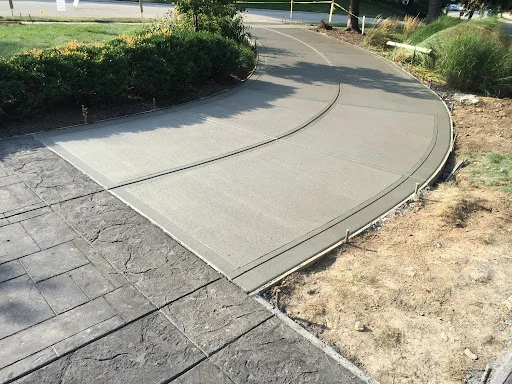
While small cracks are manageable for a weekend warrior, some issues indicate deeper problems. If your driveway is sinking, heaving, or has “alligator” cracking (a web of many small cracks), a simple filler won’t solve the underlying subgrade failure.
In these cases, you may need a professional assessment. Mattingly Concrete offers comprehensive Residential services to evaluate whether your driveway needs a professional patch or a full remove and replace service. We bring the same level of precision to home projects that we do to our Government and Commercial infrastructure work.
Beyond the Driveway: Comprehensive Concrete Care
Maintaining your driveway is just one part of home ownership. The same principles of cleaning and sealing apply to your Residential Concrete patios, Residential sidewalks, and Steps.
If you’re managing a business property, the stakes are even higher. Damaged commercial sidewalks, crumbling curbs, or non-compliant ADA ramps can be a significant liability. Our team is experienced in high-traffic concrete pavement solutions that minimize maintenance and maximize safety.
Final Thoughts: Secure Your Property’s Future
Don’t let a small crack turn into a major headache. By following this step-by-step guide, you can protect your concrete and keep your property looking its best. However, if the damage is extensive or you’re ready for a complete upgrade to a modern, durable surface, Mattingly Concrete is here to help.
Contact Mattingly Concrete today for a free consultation and let us help you build a solution that lasts a lifetime.