When commercial developers and property managers evaluate construction materials, one substance consistently rises above the rest: concrete. This versatile building material has become the backbone of modern commercial infrastructure, from bustling retail centers to industrial complexes.
At Mattingly Concrete, we’ve spent decades perfecting commercial concrete applications across Indiana and the Greater Midwest, and we understand exactly why concrete is a popular commercial construction material for forward-thinking businesses.
Exceptional Durability and Compressive Strength
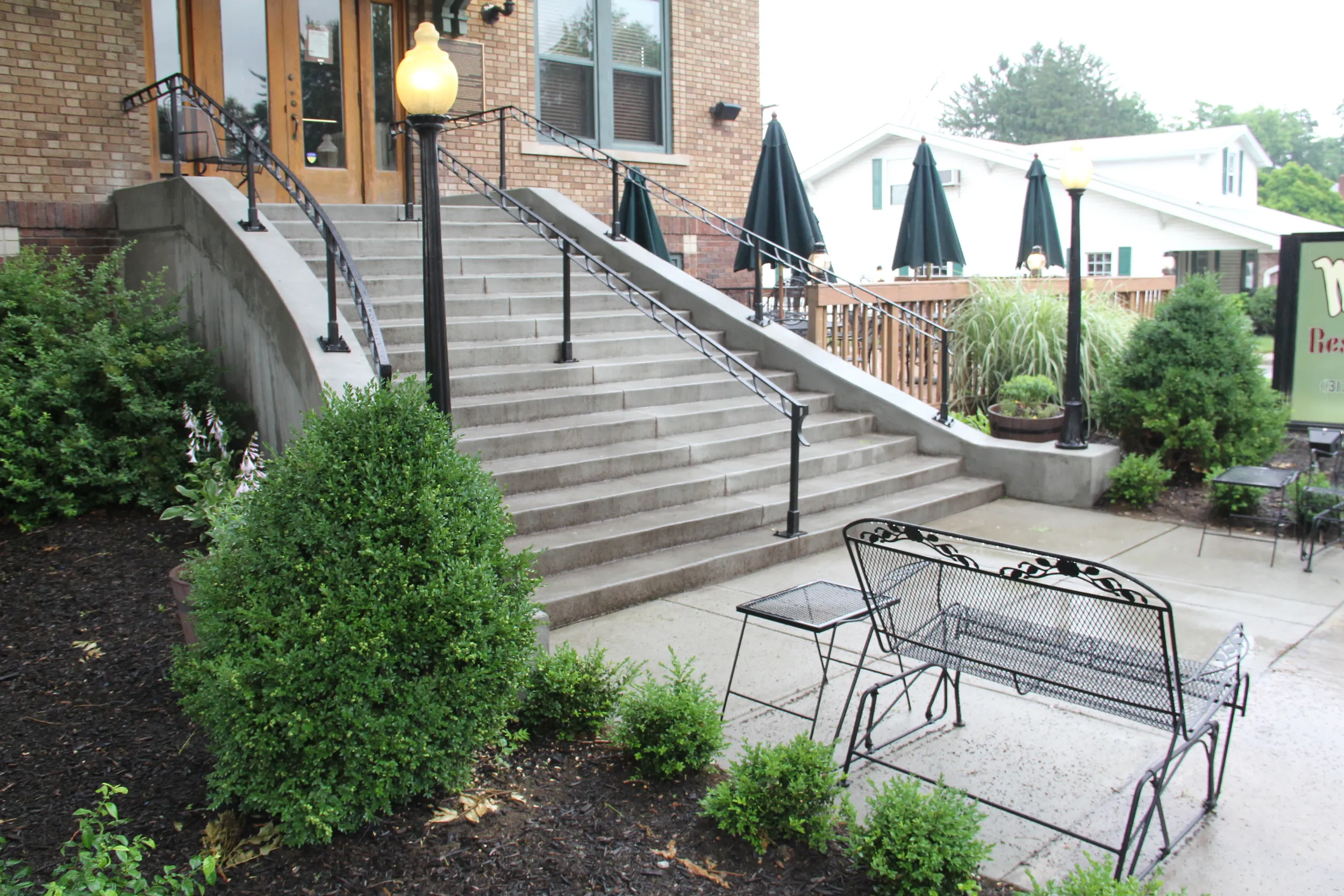
Commercial properties face relentless wear and tear from heavy traffic, delivery vehicles, and extreme weather conditions. This composite material, engineered from cement, sand, gravel, and water, delivers exceptional compressive strength, often exceeding 4,000 PSI in commercial applications. Unlike masonry or brick, which deteriorates over time, concrete maintains structural integrity for decades.
When enhanced with rebar, fiber reinforcement, or fiberglass elements, reinforced concrete becomes virtually impervious to stress, corrosion, and moisture infiltration. This durability makes it ideal for everything from foundation work and concrete slabs to decorative concrete applications. The longevity of concrete infrastructure means your sidewalk, driveway, and floor systems resist termite damage, rust, and climate-related deterioration that plague other materials.
Superior Cost Efficiency and Low Maintenance
Different types of concrete offer unbeatable long-term value through minimal maintenance requirements. While initial installation costs may exceed alternatives, concrete’s efficiency becomes apparent over time. A properly installed concrete structure requires virtually no maintenance for 20-30 years, unlike materials that need frequent repairs.
This efficiency extends to operations as well. Concrete’s natural soundproofing qualities and thermal mass create comfortable commercial environments while reducing energy costs. Precast concrete elements and innovative mixture designs further enhance construction efficiency, allowing engineers to specify optimal solutions for walls, beams, and specialized applications.
Environmental Sustainability and Green Building Benefits
Modern concrete production embraces sustainability through extensive recycling programs and environmentally friendly practices. The recycling of old concrete into new aggregate reduces waste while minimizing the carbon footprint of commercial construction projects. This composite material’s ability to sequester carbon dioxide through carbonation actually reduces greenhouse gas emissions over its lifecycle.
Innovation in concrete technology continues to improve environmental performance. New mixture designs incorporate recycled glass, plastic, and industrial byproducts while reducing cement content. The thermal mass of concrete contributes to green building certifications by improving energy efficiency, while its longevity reduces the environmental impact of frequent material replacement.
For businesses prioritizing sustainability goals, concrete offers measurable environmental benefits that align with corporate responsibility initiatives while delivering superior performance.
Versatility Across Commercial Applications
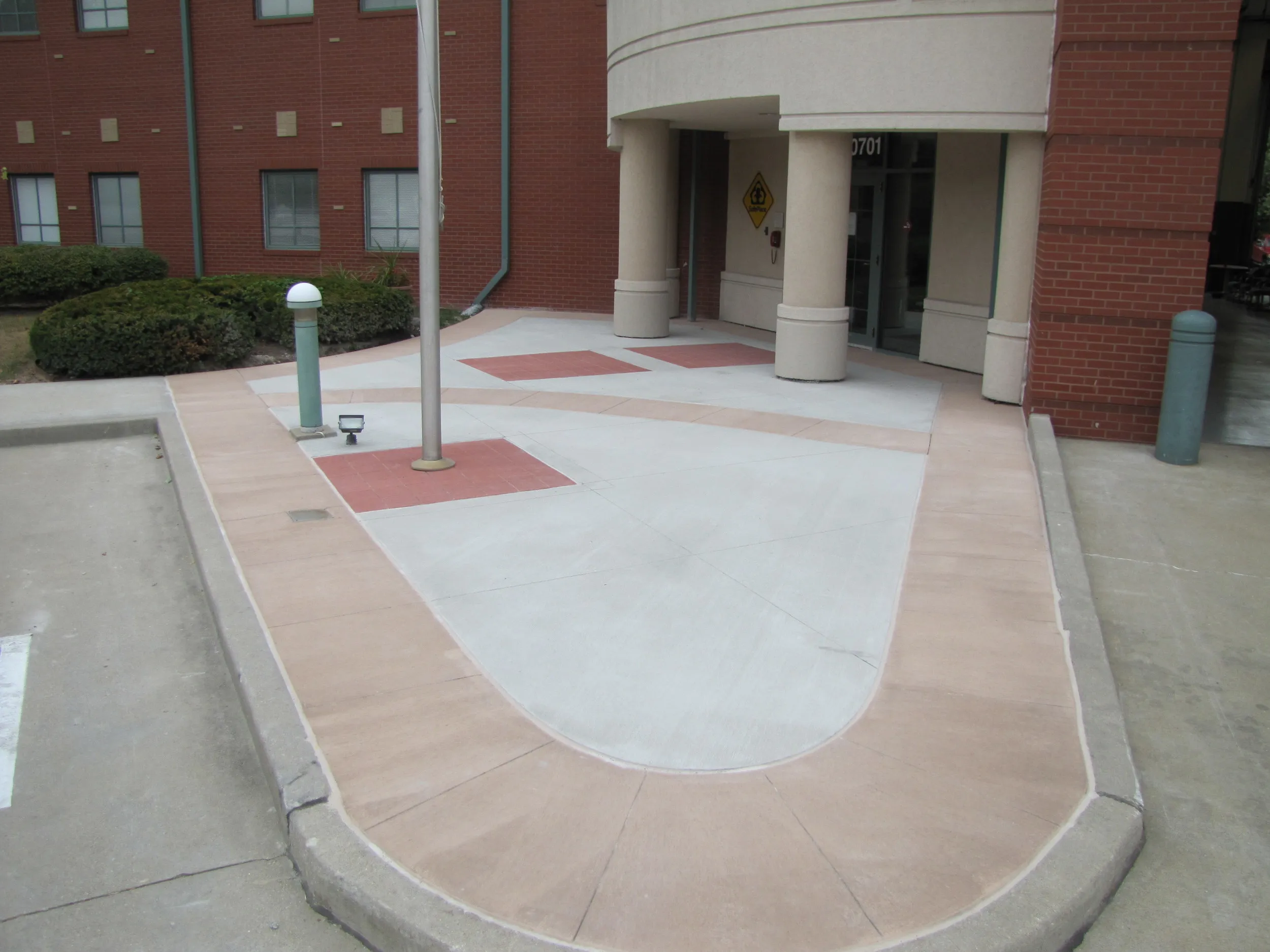
Concrete’s adaptability makes it essential for diverse commercial construction needs. From decorative concrete walkways showcasing superior aesthetics to heavy-duty pavement systems supporting industrial loads, this building material adapts to virtually any specification. Engineers can customize mixture compositions to optimize compression resistance, wear characteristics, or environmental performance.
The material’s versatility extends from structural foundations and walls to specialized floor systems and infrastructure elements. Whether your project requires standard concrete slabs, reinforced concrete beams, or decorative applications, concrete delivers consistent performance across all commercial applications while maintaining excellent resistance to moisture, extreme weather, and daily wear.
Weather Resistance and Structural Integrity
In challenging Midwest climates spanning Indiana and the Greater Midwest, commercial properties must withstand freeze-thaw cycles, heavy precipitation, and temperature extremes. Concrete’s low permeability and thermal mass provide exceptional resistance to weather-related damage and moisture penetration.
The foundation stability that concrete provides becomes critical during severe weather events, offering superior protection compared to alternatives. This climate resilience ensures your infrastructure investments remain functional and attractive year-round, while the material’s natural resistance to corrosion eliminates concerns about deterioration common with other construction materials.
Transform Your Commercial Property with Expert Concrete Solutions
Understanding why concrete is a popular commercial construction material becomes clear when considering its combination of durability, sustainability, and versatility. This composite building material offers unmatched compressive strength, longevity, and environmental benefits that make it the smart choice for commercial infrastructure.
At Mattingly Concrete, we specialize in delivering superior commercial concrete solutions throughout Indiana and the Greater Midwest. From precision sidewalk installations and ADA-compliant ramps to heavy-duty pavement systems and decorative concrete applications, our experienced team brings decades of expertise to every project. Our comprehensive services include foundation work, concrete slabs, curbs, and remove-and-replace projects for both new construction and renovation needs.
Don’t compromise your property’s performance with inferior materials. Contact Mattingly Concrete today to request a quote and discover how our professional concrete services can enhance your commercial property’s functionality, aesthetics, and long-term value while supporting your sustainability goals.